.svg)

TikTok Shop has quickly reshaped how people discover and buy products online. Purchases now happen inside the same feed where users watch short videos, and this makes traffic one of the most important factors for any seller. The more people who see a product, the faster a shop can build visibility and convert views into orders.
Most TikTok Shop sellers rely on two main sources of traffic: organic reach from content that performs well, and paid promotion that pushes products to targeted audiences. Each offers different strengths. Organic traffic builds trust and long-term engagement, while paid traffic provides immediate reach and controlled scaling. Knowing how these two channels work, and when to use each of them, has become essential for anyone growing a business on TikTok Shop.
TikTok Shop’s official learning guide, the TikTok Shop Academy, defines traffic as the number of users who view your videos, livestreams or shop pages. The platform likens it to footfall in a physical store because visibility directly shapes how often products are discovered and how quickly a shop can convert interest into sales.
Within the Academy’s traffic module, TikTok groups traffic into two broad sources: organic traffic that flows naturally through in-app recommendations, and paid traffic that comes from promotional placements such as in-feed ads or branded formats. Both channels matter, but they behave differently. Organic traffic depends on how well your content resonates with viewers, while paid traffic depends on targeting, budget and how aggressively you want to scale. For sellers, understanding these two sources is the foundation for building any growth strategy on TikTok Shop.
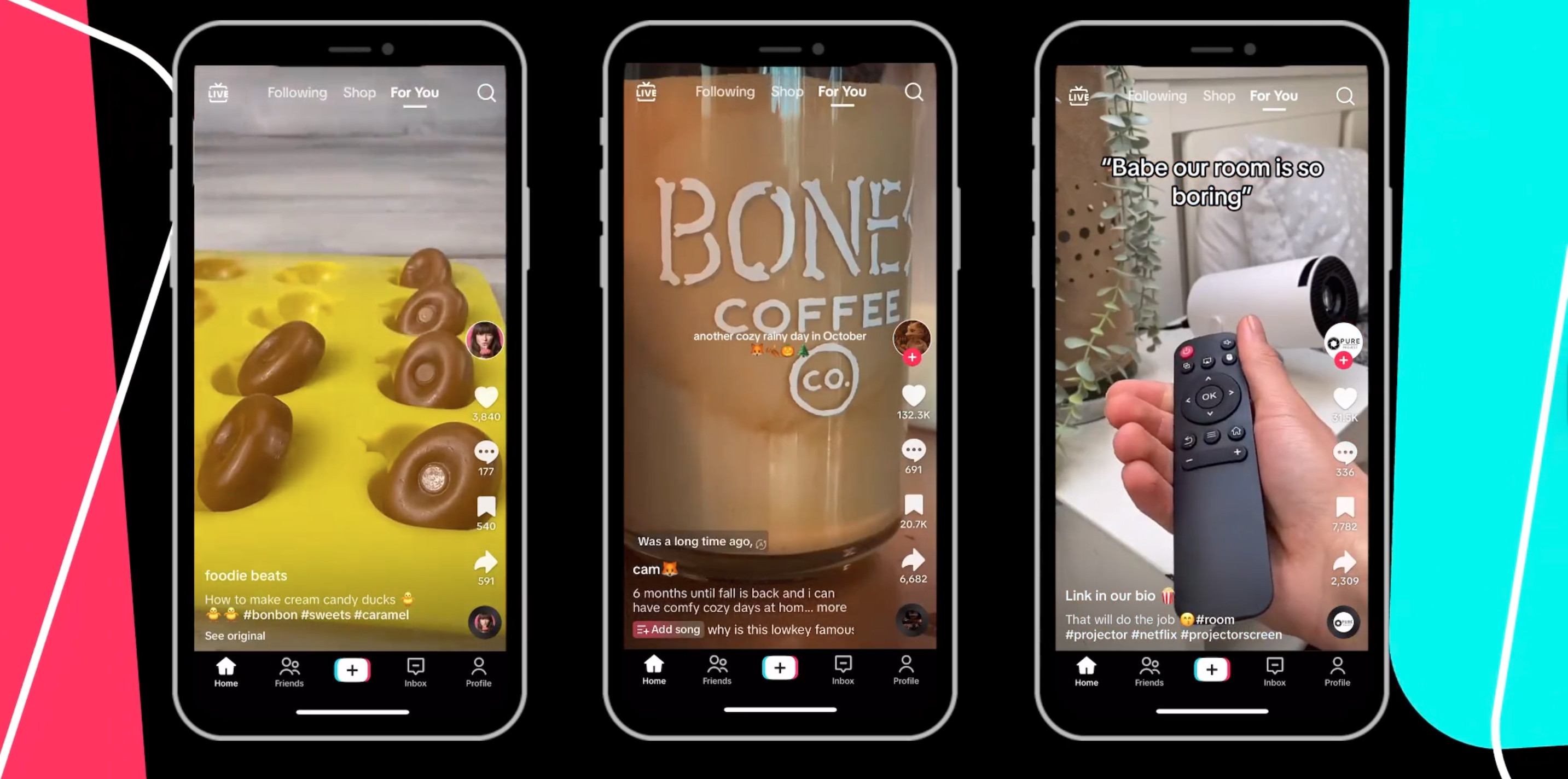
Organic traffic on TikTok Shop comes from the platform’s recommendation system. When a video performs well, TikTok’s algorithm begins showing it to wider groups of users through the For You Page, the Following Feed, the Shop Tab and other discovery surfaces outlined in the TikTok Shop Academy. This is the core engine behind sellers who grow without spending on ads.
The process is straightforward. TikTok tests every new video with a small group of viewers. If people watch long enough, comment, like or share, the system expands the audience. Strong engagement signals that a product or story resonates, and the algorithm keeps pushing the content to similar users. This is why a single well-made video can create a spike in visitors, profile views and shop clicks.
Organic traffic also forms the groundwork for trust. Users tend to respond more positively to content that feels native to the platform. Short demos, real-life use cases, unboxings and quick problem-solving clips often outperform polished advertising. When these videos circulate naturally, they create credibility and a sense of social proof that ads alone cannot provide.
There is also a practical benefit. Good organic performance reduces the cost of paid campaigns later, because sellers can identify which messages, angles or creative formats work before investing money. Many successful brands use their organic feed as a testing environment before turning the best-performing videos into Spark Ads.
But organic traffic comes with limitations. It depends entirely on how the algorithm responds, and visibility can fluctuate without warning. A video may perform exceptionally well one day and barely reach viewers the next. Growth is possible, but it requires consistency, creative variation and a willingness to adapt to fast-changing trends.

Paid traffic on TikTok Shop comes from advertising formats designed to reach specific audiences at speed. Through TikTok Ads Manager, sellers can run in-feed ads, TopView placements, Spark Ads, branded hashtag campaigns and product-focused formats that link directly back to their shop. These tools give sellers more control over who sees their content and how quickly their visibility grows.
Paid campaigns work through defined targeting. Sellers can choose audience segments based on interests, demographics, behaviours and previous interactions. They can also retarget viewers who have watched a video, visited a product page or added items to cart. This makes paid traffic a reliable way to reach people who are already showing signals of intent.
The most immediate advantage of paid traffic is scale. When a seller allocates budget, TikTok delivers the content to the selected audience. If a campaign performs well, scaling the results becomes straightforward by increasing spend or widening the audience. For new shops, or for sellers preparing for a major promotion, this is often the fastest route to visibility.
Paid formats also play a role in conversion. Ad units on TikTok include built-in calls to action such as Shop Now and Learn More, which help shorten the distance between discovery and purchase. When paired with TikTok Shop’s native checkout flow, paid campaigns can convert viewers into customers with far fewer steps compared with traditional e commerce channels.
Paid traffic also offers analytical clarity. Sellers can monitor impressions, click through rates, cost per result and return on ad spend. This data helps refine audience targeting and creative strategy in a way that organic content alone cannot achieve.
Organic reach helps sellers build credibility.
Organic traffic sits inside a wider social commerce shift. A global consumer study by PwC found that 67% of consumers use social media to discover new brands and 46% have bought products directly through social platforms.
When users encounter a product through natural recommendations on the For You Page or through engaging short videos, the interaction feels more authentic. Strong performance can push a single video to a wide audience at no additional cost, which is especially helpful for new shops testing ideas. Comments, shares and viewer reactions accumulate over time and create social proof that paid ads cannot replicate.
Organic growth depends heavily on how the algorithm responds. A video can perform well one day and struggle the next, even if the content quality is consistent. Visibility is never guaranteed, and trends shift quickly. Sellers who rely solely on organic reach often find it difficult to scale when they need more predictable exposure or when they are preparing for major sales periods.
Paid promotion offers something organic traffic cannot provide: control. Sellers can decide who sees their ads, how often and at what budget. This matters when launching new products, entering a new market or boosting visibility before a campaign. Paid formats also include clear calls to action that help convert views into visits, add to cart events and purchases.
Paid campaigns require investment, and results vary depending on creative quality and audience targeting. Ads that do not feel native to TikTok tend to underperform, and repeated exposures can lead to viewer fatigue. Rising ad costs can also reduce profitability if campaigns are not monitored closely. For many sellers, paid traffic works best when it complements an existing stream of organic engagement.
Measurement data from TikTok’s own Conversion Lift Study shows the upside when campaigns are well designed. One featured fashion retailer recorded 2.4 times more conversions in the group exposed to TikTok ads compared with their last-click model suggested. This points to the potential of paid traffic, but it also underlines the need for careful planning, testing and optimisation.
Neither traffic source is perfect, and each fills gaps the other leaves open. Organic traffic builds trust and reveals what content resonates. Paid traffic ensures consistent reach and delivers clear data for optimisation. When sellers use both strategically, they create a more stable and scalable growth model inside TikTok Shop.
Most shoppers now move fluidly between discovery and purchase on social platforms. This makes it difficult for sellers to rely on a single traffic source. Organic content creates credibility and helps people learn about a product in a natural way. Paid traffic provides the reach and consistency needed during launches, seasonal pushes or competitive periods. A hybrid model aligns with how people browse TikTok and gives sellers more control over both visibility and brand perception.
Tiktok organic posts are useful for learning what resonates before spending money. Sellers can test different hooks and product angles, then study watch time, comments and viewer reactions. These signals help identify which ideas have potential. Once a theme consistently performs well, it becomes a strong candidate for paid promotion.
Tip: Publish several variations of the same product story each week and track the first two seconds of viewer retention.

Paid campaigns work best when they amplify content that has already proven effective. Creatives that perform well organically often translate into stronger engagement when promoted. Spark Ads are especially helpful because they use the original post and keep all existing likes and comments, which strengthens social proof while expanding reach.
Tip: Turn top-performing organic videos into Spark Ads instead of producing new ad-only creatives.
A hybrid model creates continuous learning. Organic performance shows what people enjoy. Paid campaigns reveal which audiences convert and which creatives sustain attention at scale. These insights then shape the next round of content. Over time, this loop improves both cost efficiency and creative quality.
Tip: Use retargeting to reach people who engaged with your organic videos. They tend to convert at a lower cost than cold audiences.
Sellers who depend only on organic traffic face unpredictable reach. Those who rely only on paid traffic risk rising costs and weaker trust. A hybrid model balances both elements. It builds authenticity through content that feels real and maintains consistent visibility through advertising when needed. This combination reflects how people actually shop on TikTok and gives sellers a more stable foundation for long-term growth.
Traffic has become the defining factor of success on TikTok Shop. Sellers who understand how visibility is created, and how users move between discovery and purchase, are better positioned to grow in a fast-changing environment. Organic content builds trust by showing products in a format that feels natural to the platform. Paid promotion offers the reach and consistency needed to scale when competition is high or timing is critical.
The most resilient strategies come from using both. Testing ideas through organic posts, promoting proven messages through paid formats and analysing the data that emerges from each stage create a cycle of steady improvement. This approach reflects how shoppers behave on TikTok and allows sellers to balance authenticity with predictable traffic. As social commerce continues to expand, sellers who adopt a thoughtful, mixed traffic strategy will be better equipped to build long-term presence and maintain momentum across campaigns.
Ready to strengthen your TikTok Shop strategy with a smarter mix of organic and paid traffic? eCommop helps sellers build data-driven, conversion-focused growth plans that perform across campaigns. Contact us today.
Most agencies own a slice. The TikTok agency doesn't see your Amazon listing performance. Your Amazon manager doesn't know what's going viral on TikTok. Your Shopify CRO consultant doesn't see either.
We see all of it. Same team, same dashboards, same weekly review. When a TikTok video starts converting at 4×, we know to push that creative into Amazon Sponsored Brands and Shopify paid social — that same week. When Amazon shows a SKU running hot in Texas, we ramp creator seeding for that geo.
That's what "one engine" means in practice. One team. One dataset. One P&L view.